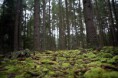
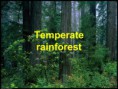
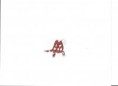
The biotic factors of my ecosystem are the animals which are the Parkey, Venus Chimptrap, Sqabbit, Snapple, Jobachino, Pegon, and a Holf. The plants and trees are the Grine, Redwood trees, and grass. That is the biotic factors of my ecosystem.
The Parkey
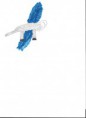
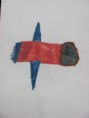
The Parkey known as a Parrot Monkey is a primary consumer. The Parkey's special adaptation is that it has thick fur to protect its self from the rain. The speices reproduces every march-may it normaly has 1-3 offspring. It normally lives around 500-1000 years.
It looks like a Parrot and a Monkey combined. It has a face of a Monkey and the body of a Parrot. They have red and blue wings and a brown face. They normally live in packs and up in trees. They have a alpha leader and are very territorial.
The Venus Chimptrap
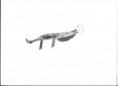
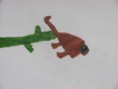
The Venus Chimptrap known as Trap Chimp is a secondary consumer. The Venus Chimptrap eats Grine, leaves, and grass. It is commonly found around the Redwood tree. It reproduces around June-August and has 7-10 offspring. They normally live around 100-200 years.
The Venus Chimptrap is green and brown. It is connected to a green stem and is limited to a 50 yd movement range. It is a combination of a Venus Flytrap and a Chimpanzee. He is nocturnal and eats up to 50 pounds of grass, leaves, and grine everyday. Its special adaptation is that it can blend in with its sorroundings.
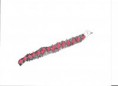
The Grine
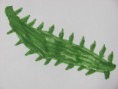
The Grine known as grass vine is a producer. It is found throughout the Deciduous Rainforest and gets its energy from the sun. It is ate from the Venus Chimptrap and other secondary consumers. It has a life span of about 3 months. They reproduce every March-August and have about 100 offspring.
The Grine is mid green and has grass growing on the side of it. The Grine is a combination of a vine and grass. It looks like a normal vine with grass on it.
The Sqabbit
The Sqabbit known as the squirl rabbit is secondary consumer. The Sqabbit eats Grine, leaves, and grass. It has a life span of 80-100 years. It reproduces every September-November and has 3-5 offspring. They hibernate during the winter and store food the rest of the year.
The Sqabbit is combination of a squirl and a rabbit. It is white with brown spots. It has the body of a rabbit and the head of a squirl.
The Snapple
The Snapple known as the snake apple is a primary consumer. The Snapple eats Venus Chimptraps and other secondary consumers. It has a lifespan of 90-100 years. It reproduces every April-July and has 2-4 offspring. they are friendly to humans and are nonpoisonus.
The Snapple is red with diamond pattern skin. It is called the snapple because it is the same red as a apple. It is 5ft to 10ft.
The Jobachino
The Jobachino known as the joby capachino is a primary consumer. The Jobachino eats Venus Chimptraps and other types of secondary consumers. It has a life span of 20-40 years. It reproduces every March-November and has 1-5 offspring. It likes to travel in packs and has a alpha leader male and female the Joby is the alpha leader male and the Capachino is the alpha leader female.
The Jobachino is black and white. It looks like a cheeta but is black and white and has no spots it is also faster. It also has a slim build made for speed and strength.
The Pegon
The Pegon known as the pegasus dragon is a omnivore. The Pegon eats Venus Chimptraps and other secondary consumers it also eats grine, grass, and leaves. It has a life span of a 1000-2000 years. It reproduces every 500 years and has 1-3 offspring. It is very loyal to humans and very friendly.
The pegon is black and blue. It is a combination of a pegasus and a dragon. It has the scales of a dragon and the body and head of a pegasus.
The Holf
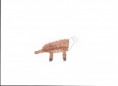
The Holf known as a horse wolf is a omnivore. The Holf eats Venus Chimptraps and other secondary consumers it also eats grine, grass, and leaves. It has a life span of 70-100 years. It reproduces every May-August and has 7-10 offspring. It is nocturnal and travels as a pack with a alpha leader.
The Holf is brown and grey. It has spots and is a combination of a horse and a wolf. It has the thick coat of a wolf and the body and head of a horse.